Share this Insight:
In a Nutshell:
You can wear fancy dress on most flights, but success depends on choosing costumes that comply with airline policies, do not impede security screening, and remain comfortable for long periods in a confined space. Knowing the rules in advance ensures your costume is fun, safe, and stress-free.
Airlines generally do not have explicit bans on fancy dress. Most carriers focus on safety, security, and comfort rather than style. That means costumes are allowed as long as they do not:
Interfere with seat belts or emergency procedures
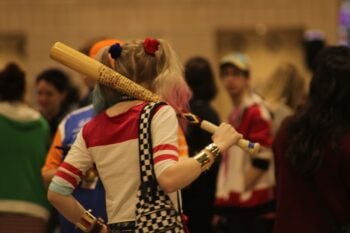
Include weapons, props that resemble weapons, or anything that could be misinterpreted at security
Obstruct other passengers or crew during boarding or deplaning
For example, a full-body mascot suit, elaborate wings, or large hats may require special consideration. In some cases, airlines may ask you to remove or modify parts of your costume to comply with security checks or safety regulations.
Airport security is a major factor in whether your fancy dress is practical. TSA and other international airport security agencies screen passengers and carry-on luggage for metal, electronics, liquids, and prohibited items. Costumes that include heavy accessories, masks, or prosthetics may trigger additional screening.
Masks covering the face or goggles that prevent facial recognition will likely need to be removed during security checks. Items like swords, wands, or toy weapons are often confiscated or must be packed in checked luggage. Lightweight props, fabric accessories, and makeup are usually fine.
Air travel involves sitting for long periods, navigating narrow aisles, and using the restroom in a confined space. Comfort should be a top priority. Costumes made from breathable fabrics, stretch materials, or layered pieces allow you to adjust for temperature changes and seating constraints.
Avoid costumes with stiff armor, oversized tails, or headpieces that make it difficult to sit upright or move in tight spaces. Shoes that are easy to remove at security and during flight are essential, especially for long-haul flights. Consider layering elements of your costume so you can remove or adjust parts during boarding or turbulence.
Certain costume types are naturally more travel-friendly. Examples include:
Character-themed outfits using normal clothing with simple accessories
Minimalist or partial costumes, such as themed hats, capes, or wigs
Makeup-based looks or face paint
Cosplay-inspired casual outfits that suggest the character without full gear
Group costumes are possible but should remain compact. Coordinated T-shirts, themed scarves, or matching accessories can create a visual effect without taking up excess space in the cabin.
While fancy dress is allowed, consider your fellow passengers. Costumes that are noisy, have strong scents, or include large props can be disruptive. Avoid anything that might startle or alarm other travelers, particularly realistic masks, fake weapons, or extremely grotesque outfits.
Be polite during boarding and deplaning, and ensure your costume does not block aisles, emergency exits, or luggage compartments. Airlines and crew appreciate passengers who combine creativity with consideration.
Traveling with children in costume can make the experience enjoyable for families and observers alike. Keep in mind that costumes should not interfere with safety restraints or seat belts. Lightweight props and costumes that can be easily removed or adjusted during the flight are ideal.
For group travel, coordinate outfits to avoid excessive bulk. A coordinated theme can enhance the fun while remaining manageable within the constraints of airport and airline policies.
Different countries have different regulations. Some airports have stricter rules regarding masks, props, and headgear, particularly in regions with heightened security. When flying internationally, check the airline’s website and the destination country’s entry requirements. Customs officers may also ask passengers to remove costume elements for identification purposes.
Planning ahead ensures that you are prepared for screening procedures and avoids surprises that could delay travel. This is especially important if attending a convention or event immediately upon arrival.
Yes, you can wear fancy dress on a plane. The key is preparation. Choose a costume that is comfortable, safe, and security-friendly. Minimise oversized props, remove masks during screening, and consider layering for flexibility. By balancing creativity with practicality, you can arrive at your destination in style without compromising safety or comfort.
Can you wear fancy dress through airport security?
Yes, you can wear fancy dress through airport security, but you should be prepared to remove masks, hats, wigs, or any accessories that cover your face. Metal props, swords, and large items may trigger additional screening or need to be checked in. Lightweight, fabric-based costumes are easiest to pass through security without delays.
Do airlines allow full costumes on planes?
Most airlines allow passengers to wear full costumes, provided they do not interfere with seat belts, safety equipment, or emergency exits. Large wings, stiff armor, or oversized headpieces may need adjustment for safety reasons. Planning a costume that is flexible and comfortable makes the flight smoother for both you and other passengers.
Are there restrictions on costume props when flying?
Yes. Props that resemble weapons, sharp objects, or electronics may be restricted. Toy swords, wands, and large costume accessories often need to be checked in. Lightweight and safe props such as foam, paper, or fabric elements are generally allowed and make your costume easier to manage.
How can I stay comfortable in a fancy dress costume on a plane?
Choose breathable fabrics, stretch materials, and layered pieces that you can adjust for temperature changes or seating constraints. Avoid stiff, bulky elements that make moving or sitting difficult. Comfortable shoes that are easy to remove at security are essential, especially on long flights.
Can children wear fancy dress on flights?
Yes, children can wear costumes, but ensure that seat belts and child safety restraints are not obstructed. Lightweight, easy-to-remove costumes work best. Avoid oversized props or masks that could interfere with visibility, movement, or emergency procedures.
What should I do if my costume triggers extra screening?
Remain calm and cooperative. Airport security staff are trained to handle unusual outfits, but you may be asked to remove or adjust costume elements for a quick inspection. Having a flexible costume and planning ahead for possible delays will keep the experience stress-free.
Latest Insights