ⓘ We may earn commission from links on this page.
Share this Insight:
In a Nutshell:
Choose a cosplay character by balancing enthusiasm with the outfit you can realistically make, buy and wear. Shortlist a few favourites, compare specific costume versions and check comfort, budget, available time and event requirements. Your appearance does not have to match the character’s; adapt the design to suit you.

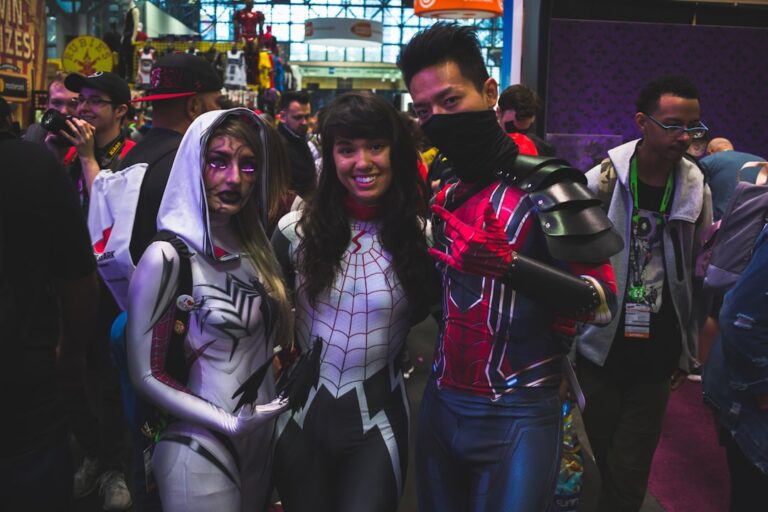
Photo by Barthel Joseph on Unsplash.
Choosing who to cosplay can take longer than making the costume. You save an impressive armour build, remember a favourite childhood character and then discover a completely different outfit that looks easier to wear. None of those ideas is wrong, but a long inspiration list is not yet a decision.
The best choice for your next event is a character you are excited about and an outfit that suits the occasion. This guide gives you a practical way to narrow the options without letting popularity, perfectionism or someone else’s expectations choose for you.
Ask what attracts you to the character. It might be their story, visual design, humour, confidence or a connection to friends who enjoy the same series. That answer helps you preserve the right features when you adapt the outfit.
If the appeal is a particular coat and hairstyle, you may be happy making a simplified version. If you enjoy performing the character’s theatrical mannerisms, freedom of movement might matter more than a perfectly replicated buckle.
You do not need to prove encyclopaedic knowledge before dressing as someone. It is also fine to choose a character primarily because the design inspires you. Be straightforward about your interest and leave room to discover more about the source material.
For a broader explanation of the hobby, read what cosplay means. Understanding the range of ways people participate can take pressure off finding one supposedly correct approach.
A single character may have several costumes across films, games, seasons or illustrations. One version could involve ordinary clothes, while another requires a complicated wig and a large prop. Compare versions before deciding the character is too difficult.
Save an image of the exact outfit you are considering. Describe its main components in plain language: long coat, high boots, fitted trousers, short wig, two belts. This turns an exciting picture into a practical project you can assess.
Look for a version that preserves the details you love while removing tasks you do not want. A casual outfit might keep the same colours and accessories. A formal version might suit someone who prefers tailoring over foam construction.
Our popular titles section is a useful starting point for exploring familiar franchises. Treat it as an ideas library, then narrow your choice to one clear reference.
Picture an ordinary hour at the event. Will you be browsing stalls, sitting in panels, travelling between buildings or mainly posing for photographs? A costume that works for a short shoot may be frustrating during a full convention day.
Consider how you will carry your phone, ticket and other essentials. Think about sitting, bathroom access and whether you will need help getting dressed. These decisions belong in the character-selection stage because some designs make them much easier than others.
Check the venue’s current rules before choosing an outfit that depends on a large prop or full-face covering. If you are new to conventions, our article on wearing costumes to Comic-Con explains the questions to investigate.
For a workplace celebration, use a different filter. An outfit that lets you do your normal tasks and follows your employer’s guidance is more useful than the most dramatic option. See Halloween costumes at work for that situation.
Divide each candidate into clothing, hair, accessories and props. Mark which parts you can already handle, which you could buy, and which would require learning something new. Difficulty is personal: a confident sewer may find a jacket easier than a small painted helmet.
Choose one main skill to stretch if you want a learning project. Trying wig cutting, electronics, fitted sewing and large prop building for the first time in the same outfit creates several independent ways to run out of time.
You can also choose a character specifically to practise a skill. A simple uniform might be a chance to learn alterations. A fantasy outfit with one small bracer can introduce foam work without committing you to full armour.
If you would rather assemble an outfit with minimal crafting, our closet cosplay suggestions offer a different starting point. Buying and adapting pieces can still involve thoughtful design choices.
Popular Collections


Do a rough component budget for your strongest candidates. Include shoes, wig, base clothing, accessories, delivery and materials for alterations. A low-priced costume listing can become a much larger purchase when the photograph includes pieces sold separately.
Check what you already own and what you would happily reuse later. A plain shirt that works in daily life may be a more comfortable purchase than a specialised accessory for one outing. Borrowing can help too, provided the owner agrees to the use and any modifications.
Compare the total outfit against your actual limit, then leave room for unexpected adjustments. Our guide to cosplay costs breaks down the kinds of expenses that are easy to miss.
Do not choose a complicated character solely because the materials appear cheap. Your available evenings, work area and patience are resources as well. A project that fits your budget but not your schedule may be better saved for later.
Reduce your ideas to three specific outfits. For each, write a sentence answering five questions: Why do I want to wear it? What do I already have? What is the hardest part? What will it cost? What could make it uncomfortable?
Identify any non-negotiable problem first. If you have no way to transport a large structure, a high enthusiasm score will not solve that. If a garment will not arrive before the event, choose another route instead of assuming the delivery estimate will improve.
Then compare the remaining trade-offs. One outfit may need more money but almost no crafting. Another may use existing clothes but require several evenings of careful alterations. Choose the compromise you actually prefer, not the one that sounds most impressive.
Keep the rejected ideas in a future-project list. Deciding what to wear next is easier when it does not feel like permanently giving up every other character you like.
Choose a clothing-based character whose main colours and silhouette you can assemble locally. Prioritise one clear accessory and a hairstyle you can manage. Avoid a plan that depends on an unfamiliar supplier delivering a specialised piece at the last moment.
Choose an outfit with a straightforward base and one feature worth learning, such as a structured collar or lightweight shoulder piece. Finish the wearable clothing first, then work on the challenging element while you still have a fallback version.
Start with a shared franchise or theme, then let everyone choose their own character and complexity level. A group does not need identical budgets or matching construction methods. Agree whether the priority is a coordinated photograph, a meetup or spending the day together.
You do not need the character’s height, build, age or gender to cosplay them. Clothing fit and comfortable proportions are more useful concerns than trying to resemble a drawn figure or an actor exactly.
Adapt coverage, footwear and layers to what you enjoy wearing. If you use glasses, mobility equipment or other everyday aids, you can incorporate them into your interpretation or simply keep using them. They do not need to become a crafting project to justify their presence.
You can retain your natural hair rather than wearing a wig. A strong colour scheme, recognisable garment and signature accessory may communicate the inspiration perfectly well. If you do want a wig, account for fitting and preparation instead of treating it as an automatic finishing touch.
Custom interpretations are especially useful when the original costume clashes with the weather or the activities you have planned. Describe the adaptation clearly if you share it, particularly when people may want to recreate your version.
Assemble a rough version from available clothing and take a full-length photograph. You are checking the overall direction, not judging an unfinished outfit against a professional reference image.
Try a substitute for any bulky element so you can understand its size. Hold a paper template against your shoulder or wear a similar coat for a short trial. These simple tests reveal practical issues before you buy materials.
Once the choice feels workable, stop comparing it with every new idea in your feed. Create a component list and move into the build. Our guide to making your first cosplay costume takes that plan into construction.
Choose a cosplay character you want to spend time with, then select a version that fits your budget, skills and event day. Compare complete outfits, test the practical details and adapt freely where comfort matters. You are choosing the next costume you will enjoy wearing, not making a permanent statement about which character or crafting style defines you.
No. You can interpret a character regardless of your natural appearance. Focus on fit, comfort and the design features you want to communicate. Matching a fictional body type is not a requirement for participating in cosplay.
Only if you want it to be. A familiar character may be recognised more readily, while a less common choice can lead to conversations with fellow fans. Neither makes the outfit more valid or guarantees a better event.
Yes. You can enjoy a design or character without completing every part of the source material. Be honest about what you know, and mention that you are avoiding spoilers if other fans start discussing later storylines.
Explain your budget, time and interest before committing. You could join for one photograph, choose a simpler related outfit or wear your own costume and still attend together. A group plan should remain enjoyable for everyone involved.
That depends on whether you enjoy construction, your deadline and the available options. You can combine both. Check craftsmanship competition rules separately if entering one, because those may require evidence of your own work.
Choose the outfit that better fits the next event and save the other for later. Compare the hardest component, full cost and likely comfort. A practical tie-breaker is more useful than continuing to search for a perfect answer.
Latest Insights